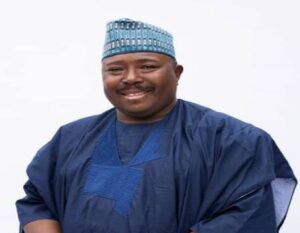



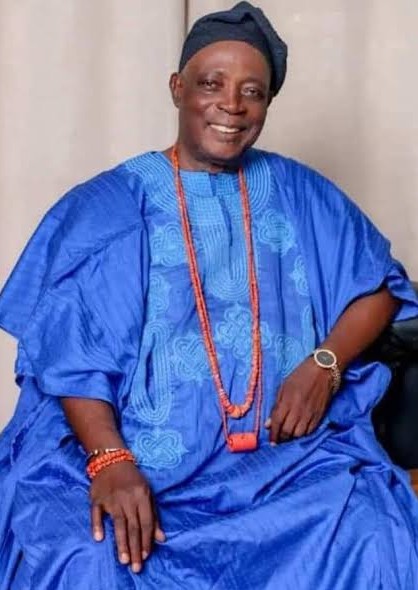
As Rashidi Adewolu Ladoja gets set to ascend the throne as the 44th Olubadan of Ibadanland, here are things lesser-known facts about his life and journey to the exalted stool.
A “bumpy” 30-year climb through the chieftaincy hierarchy
Although many know Ladoja as a former governor and politician, few are aware of how long and rigorous his traditional path was. He began decades ago at lower chieftaincy ranks and steadily moved up through the Balogun / civil lines over more than 30 years, with many obstacles along the way.
Destined as the 44th because of birthdate & history
His birth in 1944 aligns in a special way: he was born in September 1944, and now becomes the 44th Olubadan. Ladoja has remarked on this coincidence (or “destiny”) in several interviews, interpreting it as more than mere chance.
Early international education & engineering roots
Not only is he a politician, but he also holds a degree in Chemical Engineering from the University of Liège, Belgium. Before his full transition into politics and traditional roles, he worked for many years in oil & gas and in business sectors with technical and managerial responsibility.
Multiple party memberships and political flexibility
Ladoja has belonged to several parties over his political career. After his time with the Peoples Democratic Party (PDP), he contested under Accord Party, and later associated with the African Democratic Congress (ADC) and Zenith Labour Party (ZLP). This moving among parties shows a blend of pragmatism and desire to remain influential, regardless of the party platform.
He once resisted wearing the beaded crown
One lesser known fact is that there was a period in which Ladoja was reluctant to accept the ceremonial/beaded crown required for certain chief titles. That changed in 2024, but it was a point of some controversy until resolved.
Strong defense of tradition & court battles over chieftaincy customs
Beyond politics, Ladoja has been involved in defending the traditional structure of Ibadan’s chieftaincy system in court. For example, he objected to the elevation of certain high chiefs outside the traditional order, and these disputes have reaffirmed his reputation as someone who insists on adherence to custom.
He sees his role as one of service, humility, and consultation
In various statements since being designated Olubadan, Ladoja has emphasized that he views the throne not just as honor, but as a responsibility. He has spoken about consulting widely — with traditional council, with government, and with citizens — and has described his ascension as guided by both perseverance and faith.